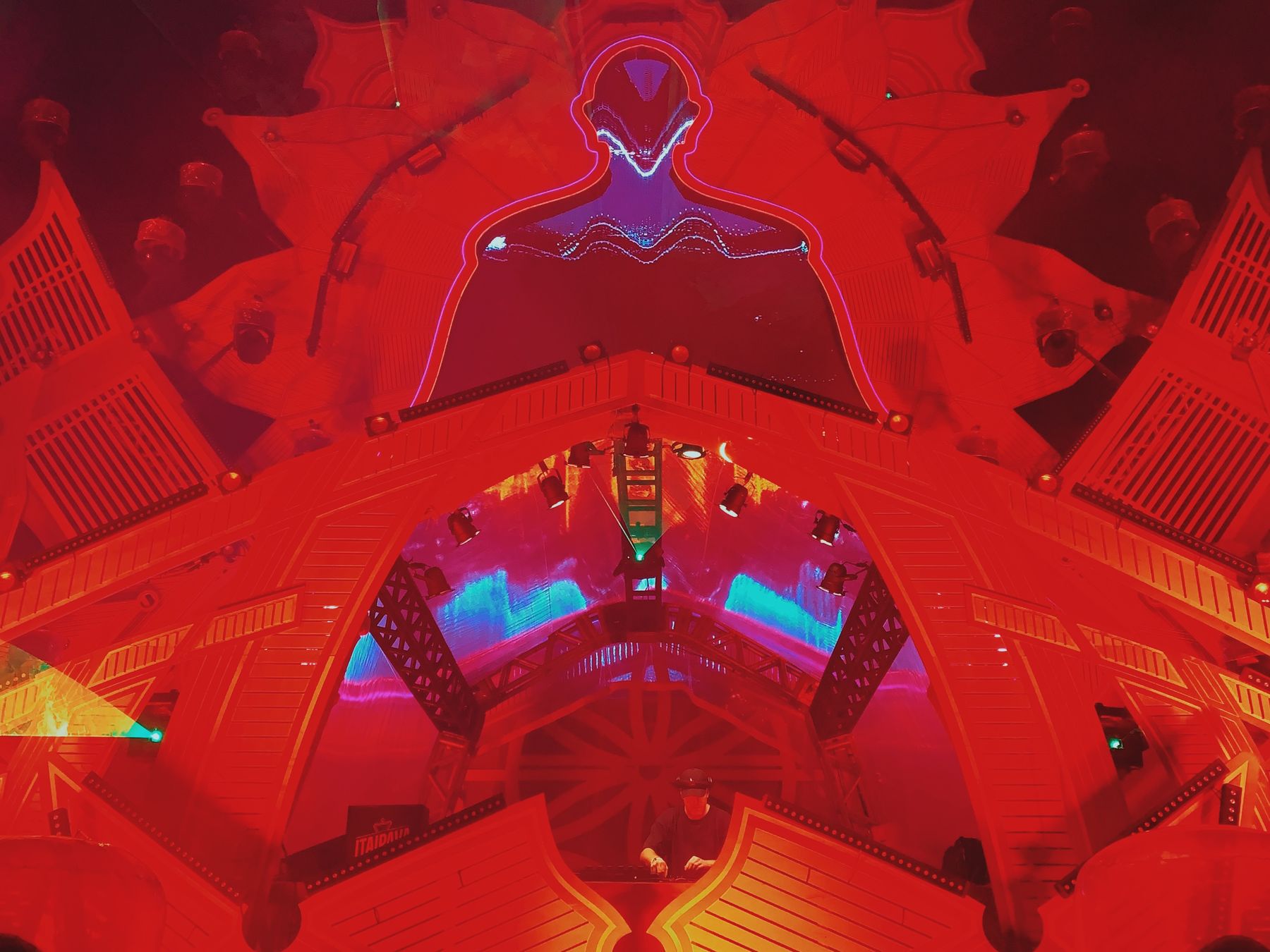
Building Lowlight in eleven days
The EP was supposed to take a season. A cancelled tour leg and a borrowed studio in Poble Sec turned it into a week and a half.
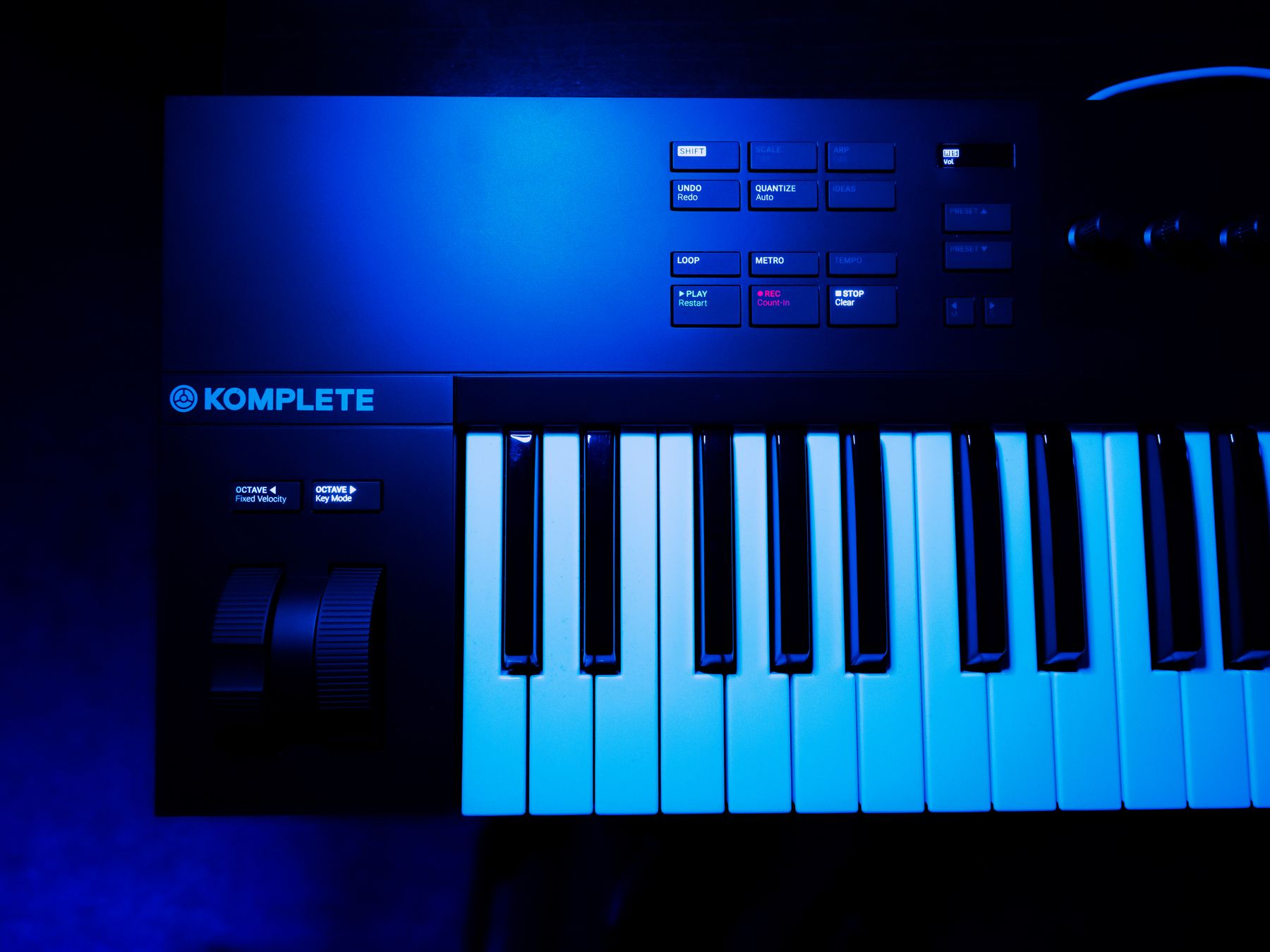
The plan was to write Lowlight across the whole winter. Then the South American leg fell through in November and suddenly there were eleven empty days and a studio in Poble Sec that a friend was not using.
One room, one chain
Everything on the record went through the same signal path: a Juno-106 into a spring reverb, then into a quarter-inch tape machine that runs slightly fast. Nothing was re-amped, nothing was replaced later. When a take was wrong, it got played again.
Limitations are only romantic in hindsight. At the time it is just a room with one reverb and a deadline.
What eleven days does to arrangement
With no time to second-guess, the arrangements got simpler. Four of the five tracks have a single structural change, placed somewhere after the halfway point. The fifth has none at all, which is the one that ended up opening the record.
The tape machine deserves most of the credit for the sound. It drifts about eight cents sharp across a twenty minute reel, and instead of correcting it in software the whole session was tuned to the drift.
What I would do differently
- Print the reverb earlier. Deciding later cost two full days of second-guessing.
- Record more room noise. There is never enough of it when the mix gets sparse.
- Sleep. Day nine is audible if you know what to listen for.
Lowlight is out now on Nocturn. The tape hiss is not a plugin.